
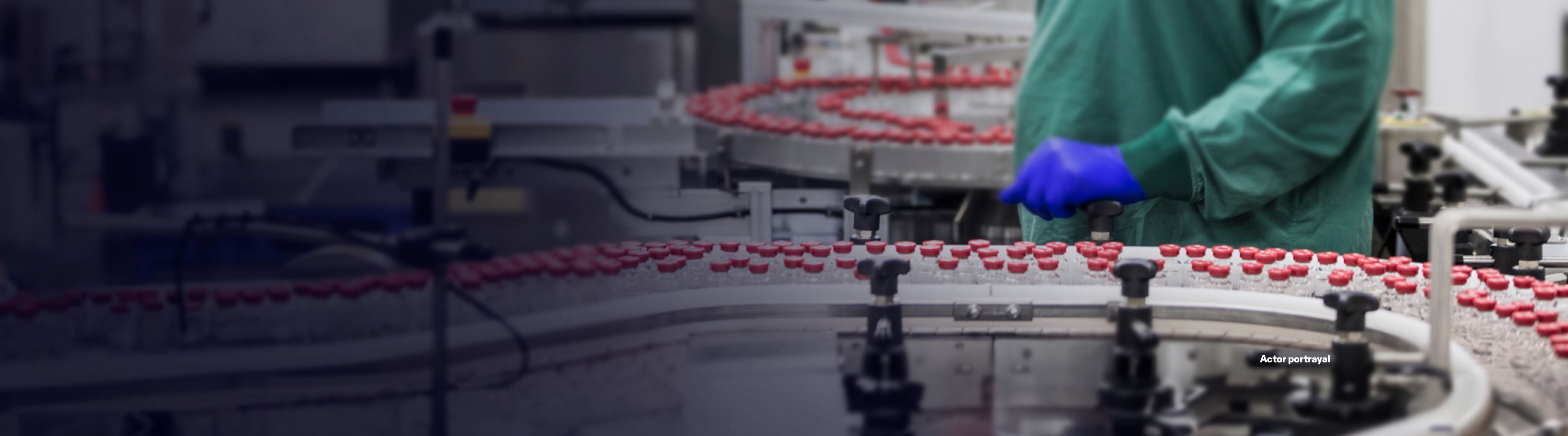
Shortages are frequent, prolonged, and costly
While the industry is making progress in reducing shortages, ensuring reliable access to essential medication requires long-term, system-wide solutions.1

Medication shortages at a glance

average duration of an active shortage2
(2024 data)

of new shortages involve injectable medications1
(2024-2025 data)

in additional hospital labor costs to manage shortages3
(2024 data)
Today’s challenges stem from the interplay of 3 key economic factors:
 Manufacturing complexity
Producing generic sterile injectables is a highly regulated, intricate, and costly process that demands continuous investment to uphold strict quality standards. Due to their generic nature, these products are typically sold at low prices, adding further economic challenges for manufacturers.1
 Buyer consolidation
Consolidation of Group Purchasing Organizations (GPOs) and wholesalers—key entities that hospital systems rely on for medication procurement—has led to a small group of buyers with significant purchasing power. This dynamic enables them to pressure manufacturers to further reduce prices.1
 Pricing
pressures
Pricing
pressures
Many hospitals are facing higher operating costs. To help navigate drug costs and shortages, hospitals may go outside their purchasing agreements with suppliers. Contracts, however, give manufacturers greater predictability and help ensure volume.1,2
Reference: 1. Data on file. Pfizer Inc., 2024.
Reference: 1. Data on file. Pfizer Inc., 2024.
References: 1. Data on file. Pfizer Inc., 2024. 2. American Hospital Association. America’s hospitals and health systems continue to face escalating operational costs and economic pressures as they care for patients and communities. Accessed February 20, 2025. https://www.aha.org/system/files/media/file/2024/05/Americas-Hospitals-and-Health-Systems-Continue-to-Face-Escalating-Operational-Costs-and-Economic-Pressures.pdf
What does this mean?

Today’s low-price market for sterile injectables does not support the level of investment required to manufacture them.
- As prices continue to drop, some manufacturers can no longer sustain quality standards or production costs1
- While the focus on controlling healthcare costs is an important goal, these market conditions have created unintended consequences to the sustainability of sterile injectable manufacturing, leading to consolidation of manufacturers and/or product discontinuations and, ultimately, increasing the likelihood of drug shortages1
Explore the issue further
Working together against drug shortages: 3 proposed solutions for hospital pharmacies
Explore proposed solutions that can help strengthen long-term supply sustainability.
Elevating drug shortage solutions through sustainable economic action
Learn how pharmacy buyers can take economic action to help end drug shortages by shifting from a low-cost to high-value mindset.
Investing in world-class manufacturing capabilities
Pfizer has invested over $2B since 2015 in strengthening supply reliability across our network. Our investments help expand capacity, build redundancy, and support continuous operations to help ensure reliable access to essential medications.
Explore the issue further
From risk to readiness: supporting a sustainable sterile injectables marketplace
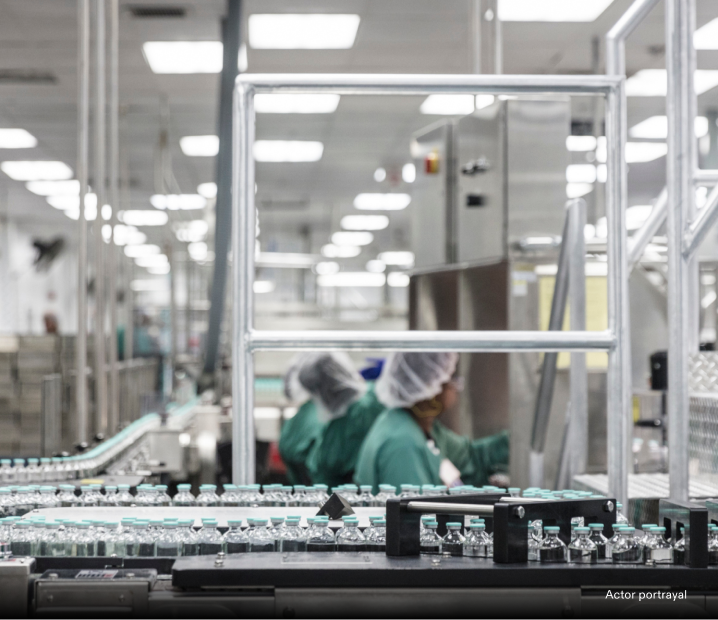
A broad portfolio of generic sterile injectables and biosimilars
across dedicated manufacturing and distribution sites, including 6 in the U.S.
 130+ sterile injectable molecules
 60+ molecules offered exclusively
 45+ medications on WHO’s Essential Medicine List
 8 oncology and inflammation & immunology biosimilars
 7+ delivery systems
Recognized for supply resilience
Pfizer was awarded the Diamond Badge by the Healthcare Industry Resilience Collaborative (HIRC), demonstrating robust supply resiliency, operational maturity, and risk management processes.
Working alongside industry partners


Valuing reliability, not just price
Recognizing the broader benefits that reliable supply provides to patients and providers.

Supporting sustainable investment
Creating conditions that enable continued investment in quality, infrastructure, and manufacturing resilience.

Enabling predictable planning
Long-term purchasing commitments and contract compliance support planning and supply stability.

Addressing systemic pressures
Working together to advance solutions that strengthen the healthcare supply chain over time.
Ready to partner on supply sustainability?
Learn more about our perspective—and how we can work together.
References: 1. ASHP National Drug Shortages (January 2001 – December 2025). Accessed April 8, 2026. https://www.ashp.org/-/media/assets/drug-shortages/docs/Drug-Shortages-Report.pdf 2. USP 2025 Drug Shortages Report. Accessed April 8, 2026. https://www.usp.org/2025-usp-annual-drug-shortages-report 3. Vizient Beyond the shortage: The hidden cost of drug supply chain disruptions. Accessed April 8, 2026. https://vizientinc-delivery.sitecorecontenthub.cloud/api/public/content/0fed86e17e654732ba642464400e713fv=323b8a49